
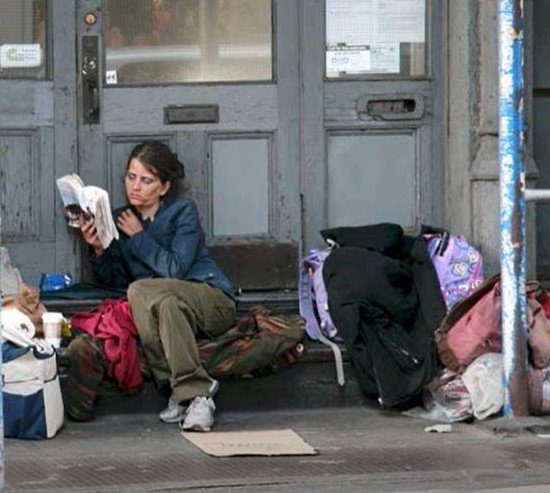


Florida’s new law banning homeless individuals from sleeping and camping in public spaces officially went into effect on October 1, 2024, sparking widespread concerns among community advocates and officials. The legislation, known as House Bill 1365, was signed by Governor Ron DeSantis earlier this year and aims to address what supporters describe as dangerous and disruptive conditions caused by unsheltered individuals in public areas. However, the law has drawn criticism for potentially worsening the plight of the homeless population and creating legal challenges for local municipalities.
Provisions and Enforcement
The law prohibits individuals from sleeping or camping on public properties such as parks, sidewalks, or other outdoor spaces. County and city governments are now required to offer designated zones or shelters equipped with basic amenities like restrooms, running water, and security measures. Additionally, these designated spaces must provide access to mental health services and drug rehabilitation resources.
Local municipalities must prove that they lack enough shelter beds for the homeless in their area to set up these designated zones. They are also required to ensure that these sites do not negatively impact nearby property values or community safety. If counties or cities fail to provide adequate shelter options, they could face civil lawsuits starting January 1, 2025.
Impact on Florida’s Homeless Population
The law comes at a time when Florida’s homeless population is on the rise. Orange County alone has seen a 28% increase in homelessness over the last two years, bringing the number to nearly 7,300 people. Statewide, it’s estimated that approximately 31,000 people are experiencing homelessness, making the new law’s implementation a complex issue for local governments.
The lack of immediate shelter options has left many unsheltered individuals unsure of where to go. Homeless residents, like David Irizarry, have reported being moved along by police officers without being offered any alternative. “Each spot that we went to, we got ran off by the police telling us there’s no camping,” he said, highlighting the daily struggles faced by Florida’s unsheltered population under the new law.
Challenges for Local Governments
Many municipalities across Central Florida are struggling to comply with the law. Despite being legally required to provide designated zones, several counties and cities have yet to establish adequate sites. The City of Orlando, for example, proposed a large open-access shelter for 250 people, but the plan was scrapped due to local community opposition.
Similarly, Orange County recently allocated $10 million to address homelessness, but officials are still deliberating on how to best utilize these funds to create viable shelter options.
Local leaders and homelessness advocates have raised concerns that the law could increase arrests for nonviolent offenses, further complicating the situation. Sheriff John Mina of Orange County has stated that while he doesn’t intend to criminalize homelessness, his department will continue to enforce existing laws, putting additional pressure on already vulnerable individuals.
Future Outlook
The law includes a unique provision that allows businesses and residents to take legal action against municipalities that fail to comply, raising the stakes for local governments that are already struggling to find suitable locations for homeless camps. With the deadline for enforcement fast approaching, the next few months will be critical in determining how Florida’s cities and counties respond to the challenges posed by HB 1365.
Local officials are calling for more community support and collaboration, stressing that homelessness is a complex issue requiring comprehensive solutions. As Shannon Diaz, Orange County’s Campus Director for Matthew’s Hope, stated, “There’s a lot of things that come into play with this law that no one seems to have an answer for. The places for them to be are just kind of closing in”.
The new legislation has added urgency to ongoing discussions on how to best address homelessness in the state, with upcoming board meetings and workshops planned to explore potential solutions.